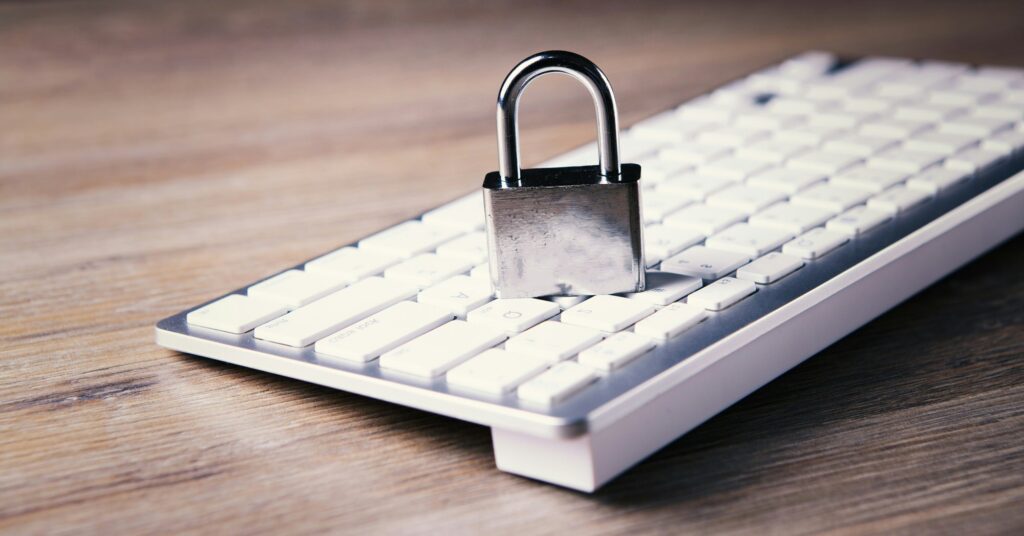
The number of real-time cyberattacks, scams, hacks, and breaches I hear about from clients and friends shocks me. The digital world we depend on for communication, information, and daily life – is not safe. Scammers and hackers can break into our digital world any day, and often without us knowing it. Close the doors for these cybercriminals and their dangerous tricks.
Real Stories, Real Risks
Linda’s Story Linda, a retired hospital employee, thought her working years were behind her. Then came the letters: her pension fund, her former hospital’s computer system, even Medicare had all been hacked. Within weeks, her most personal information—medical, financial, and private—was in the hands of cybercriminals. Each letter promised investigations, system reviews, and free credit monitoring. But Linda was left with an unsettling reality: once stolen, her data could be exploited at any time.
Jim’s Story Jim, a 91-year-old scientist, still travels the world to lecture. Sharp and active, he didn’t see himself as vulnerable. Yet he was tricked into granting scammers remote access to his computer under the guise of “fixing a problem.” This opened the door to his bank, credit card, and investment accounts. Luckily, he confessed to his daughter in time to prevent damage. She now monitors his online activity—a safety net many don’t have.
Josh’s Story Josh, a retired computer science teacher, considered himself savvy. After listing his motorcycle for sale online, he nearly fell victim to a shipping scam. The buyer sent a fraudulent check for more than the sale price and instructed Josh to wire back the “extra” funds. Suspicious, Josh contacted his bank and discovered the truth: the check could be reversed, but the wire transfer would not. He avoided losing $2,000. Many others are not so fortunate.
These stories are not rare. Cybercrime siphoned away more than $1.03 trillion globally in 2024—a figure on par with the GDP of Saudi Arabia. And now, artificial intelligence (AI) is supercharging attacks, making them faster, broader, and harder to detect.
The Threat of Artificial Intelligence (AI) Scams
AI has made scams more convincing, particularly through deepfakes—realistic but fake videos, images, and audio that impersonate people and organizations. Deepfakes are now being used to authorize fraudulent transactions, impersonate executives, and trick individuals into costly mistakes.
One of the most profitable AI-driven schemes is known as pig butchering. Scammers build a relationship using fake social media profiles. After identifying a target (the pig), weeks or months are spent building trust. Then the pig is cut by tempting to
invest. Finally, the pig is butchered by squeezing every last drop of juice from them, their family and friends.
How Cybercriminals Operate (Behind the Scenes)
Many cybercriminal groups operate like corporations, with customer service “agents,” recruiters, and profit-sharing models. Stolen data (credit card numbers, medical records, login credentials) is sold in bulk on dark web marketplaces. Criminals may wait months or years before using stolen data, which is why ongoing vigilance is necessary.
How to Protect Yourself
There is no magical fix against cybercrime. There are intentional steps each of us can take:
- Adopt a Zero Trust Mindset
- Never trust, always verify.
- Confirm the source before clicking, replying, or sharing.
- Freeze Your Credit
- Freezing credit doesn’t block you from using your cards – it does block criminals from opening new accounts in your name without you knowing it. You can temporarily unlock the freeze whenever you want. Think of it as locking the front door of your credit world until you are ready to open it.
- Use Strong Password Protection
- Create complex passwords with letters, numbers, and special characters.
- Use a password manager to generate and securely store unique passwords.
- Change passwords regularly (every 3–6 months).
- Too much hassle to change and remember passwords? Get a password manager.
- Become an Email Skeptic
- Verify the sender before opening attachments or clicking links.
- Watch for emergencies or fear tactics. These are classic phishing red flags.
- The old normal: if it feels off, it probably is.
- The new normal: it may not feel off, but it could be. Never trust, always verify.
- Stop Using Public Wi-Fi
- Free Wi-Fi in airports, cafes, or hotels is convenient but risky. Never use it for banking, shopping, or sensitive communications. Instead, use your phone’s hotspot for secure access.
- Add Multi-Factor (MFA) Authorization
- MFA is a security process that requires users to provide two or more sources to identify themselves in addition to a user name and password.
- It is not just a hassle.
- It is a basic security step you can control.
- Create a Family Cybersecurity Plan
- Just as families practice fire drills, they should agree on what to do if someone’s email, phone, or bank account gets hacked.
- Who should be told first?
- Which accounts should be checked immediately?
- Having a plan reduces panic and speeds up recovery.
- Cybersecurity should not be an individual burden – it is a family conversation.
Get Intentional. Manage What You Can Control
Cybercriminals are not a distant threat. They are at our doorsteps, fueled by AI and profit. Protecting yourself and your loved ones is not something you cannot hand off to someone else.
Cybercrime defense demands daily vigilance and management of what you can control: freezing your credit, having a secure password strategy, becoming an email skeptic, adding MFA, and starting conversations with those you love.
This is not science fiction. It would be a mistake to believe “It won’t happen to me.” The truth is you are now the weakest link. It’s time to become your best defense.
International Scammers Steal Over $1 Trillion in 12 Months in New Global State of Scams Report
https://www.sharefile.com/resource/blog/email-security-best-practices-guide
https://unit42.paloaltonetworks.com/north-korean-synthetic-identity-creation/